Outdoor lighting in Greensboro carries a little extra weight. Our Piedmont Triad nights, with their long humid summertimes and crisp shoulder seasons, welcome individuals outside. You feel it when the crickets start up around 8 p.m., when next-door neighbors still wander their pathways after dinner, when a yard finally cools enough for a nightcap. Excellent lighting extends that window. Excellent lighting reshapes how your landscape looks and works, from curb interest safety to that soft, welcoming radiance that makes visitors linger.
What follows isn't a catalog of components. It is a set of ideas grounded in how landscapes really live here: clay soils that shift, maples and oaks that cast wide canopies, patio culture, and yards that shift from cold February to lush June. I'll draw on typical Greensboro products and utilize cases so you can equate ideas into a real plan, whether you handle it with a pro or take on parts yourself.
Start with purpose, not hardware
Lighting goes sideways when individuals begin with items. A better path starts with what you want to do at night. That might be as easy as "see the steps without tripping," or as layered as "highlight the river birch, create glow around the patio, and include a mild wash across the garden wall." Write those objectives down and prioritize them. Safety and navigation normally belong at the top, then visual centerpieces, then ambiance.
In the Greensboro location, where numerous lots have mature trees and sloped drives, the basics typically consist of the driveway edge, house-number visibility, a clear front entry path, and the shifts from deck to backyard. If you're already buying landscaping or hardscape, pull lighting into the discussion early. Channel in the best location costs little bit during building and construction and conserves headaches later.
Light the vertical, tame the horizontal
Most people over-light the ground and forget the vertical surfaces. Our eyes read space by catching light on airplanes and textures. A softly lit wall, fence, or trunk pulls the garden forward better than bright path lights every ten feet.
Up-lighting works magnificently in Greensboro's tree-heavy areas. I frequently specify narrow-beam areas at the base of oaks or tulip poplars, set 12 to 18 inches far from the trunk and angled to capture the bark texture and lower canopy. For crape myrtles, which exfoliate and glow, a warmer 2700K lamp renders that cinnamon bark truthfully. Japanese maples, being more fragile, handle a broader, softer beam that feathers the leaves instead of punching through.
Masonry surface areas are your best friends. If you have a brick exterior or a low garden wall, think about grazing. Location a linear fixture or a series of little floods 6 to 12 inches off the wall and aim directly so light skims the mortar joints. On rough stone, the method exposes depth without glare. On smooth brick, bring components a little farther out to prevent harsh scalloping.
Color temperature level that flatters Southern landscapes
Greensboro's combination changes significantly from early spring to https://garrettfrrz057.bearsfanteamshop.com/how-to-prepare-your-greensboro-nc-backyard-for-spring late summer, and the light needs to flatter both. I normally split the distinction between two temperatures:
- 2700 K for living areas, seating locations, wood structures, and the majority of plant product. This is warm without going orange, and it flatters skin tones on porches and patios. 3000 K for stonework, water features, and contemporary architecture where a touch of quality assists. It also holds up well in damp air where warm light can alter too soft.
Mixing temperatures within one view requires care. Keep transitions clean: the house and living zones at 2700K, the water feature or sculpture at 3000K. Avoid cool white lamps on plants. They bleach foliage, especially after a rain when leaves are glossy.
Greensboro's humidity, bugs, and how to beat glare
Summer evenings bring humidity and bugs. Bright, exposed bulbs draw attention and mosquitoes. Indirect light assists. Shielded components, downlights tucked into trees, and recessed step lights use presence without creating a headlamp for moths. Avoid bare-bulb string lights in high-traffic zones if mosquitoes bug you. If you love the look, run them on a separate, dimmable zone and keep output low.
Glare breaks a scene faster than anything. If you can see the source, you'll squint. Usage cowls and hoods, and set course lights low, just high enough to spread a mild pool. On actions, recess slim fixtures into the riser or under the tread lip so the light grazes the action listed below. You'll feel more secure, and your eyes remain relaxed.
Pathways and driveways that assist, not spotlight
Path lighting works when it mimics moonlight or gentle ground glow. Area components commonly. In the red clay soils common across Greensboro, frost heave is less severe than in chillier zones, however inadequately set stakes can still tilt gradually. Because of that, pick course lights with strong stems and broad, well-designed hats that protect the lamp. Set them 1 to 2 feet off the path edge, rotating sides to avoid a runway result. On curves, location lights on the within radius to aesthetically compress the turn and keep foot traffic on the paving.
For driveways, resist the temptation to line both sides all the way. Rather, focus on points of decision: the start of the drive, a bend that obscures the entry, the parking apron, and the address marker. If your driveway sits below the street, add a subtle wall wash or mailbox light to assist delivery drivers without flooding the road.
Decks, decks, and patios developed for lingering
Greensboro patios see genuine usage. The best porch lighting mixes layers. Recessed ceiling cans set to the outside boundary dim low, a pair of protected sconces near the door for task needs, and a table light ranked for outside usage for warmth. Add a soft wash throughout the deck ceiling to reflect mild ambient light down. If your ceiling is stained pine or cedar, a 2700K source will keep the wood honey-toned instead of yellow.
On decks, mount small downlights on posts 7 to 8 feet high and aim them to skim the railing and deck surface. Under-rail lights can be charming, however avoid overdoing them. A glow every third or fourth baluster is enough. Stair treads take advantage of strip lighting under the nose, which creates outstanding exposure without visible fixtures.
Patios with seat walls are lighting gold. A narrow LED strip tucked under the capstone offers you constant, glare-free lighting that lays out space, helps with wayfinding, and makes stonework pop. If you have an outdoor cooking area, keep job lights brilliant and neutral, then soften the rest. A grill light on a gooseneck or a pivoting magnetic light beats blasting the entire cooking island.
Moonlighting from above
Tree-mounted downlights, done well, are transformative. Mount fixtures 20 to 30 feet up in strong branches and aim through foliage to develop dappled patterns on ground plane and paths, like a full moon after leaf-out. In Greensboro's storms, utilize stainless steel hardware and non-invasive mounts that enable trunk development. Route cable television along the leeward side of the trunk and leave service loops for movement. Examine these lights yearly. Sooty mold and pollen can film the lenses by late summer season, which dims output.
Moonlighting covers large areas with fewer components than ground lights. It also decreases glare due to the fact that the source sits above eye level. I reserve it for spaces where you desire a natural vibe: yards, woodland edges, or flagstone paths under canopy. Prevent installing lights in young trees that still sway considerably. A continuous moving beam can be captivating in little doses, dizzying in bigger areas.
Water features that radiance from within
A small water fountain or pond gain from careful lighting. Underwater components at 3000K punch through water better than warmer lights. Location lights listed below the waterline, facing away from main watching spots to backlight bubbles and ripples without blinding you. On a sheet-fall or scupper, light the weir from beneath or wash the wall the water runs down. Avoid pointing lights directly at reflective surfaces. In Greensboro's pollen season, anticipate to rinse and wipe lenses regularly. A thin film of pollen can cut brightness by 25 percent.
If you have koi, limitation nighttime run time. Fish need dark periods. Use movement sensing units or schedules to let lights radiance throughout events, then rest.
Front yard drama, gently done
Curb appeal after sundown should feel deliberate however not theatrical. Start by framing the architecture: two or 3 up-lights to catch columns or dormers, a soft wash to raise brick texture, and a single accent on a signature plant, like a dogwood or a crape myrtle. Keep housenumbers understandable; an edge-lit plaque or a slim downlight on the mailbox makes a distinction for visitors and deliveries.
Avoid lighting every plant. Greensboro's growing season fills beds rapidly. A spring composition with perennials may disappear by July below hydrangea leaves. Select structural components that continue across seasons and keep them lit: trunks, specimen evergreens, walls, and the front course transitions. Turn portable stakes seasonally if you like having fun with light on blooming plants; just do not lock a lot of components into one planting area.
Backyard personal privacy without fortress vibes
Backyards in numerous Greensboro areas back onto other homes. Lighting can preserve personal privacy instead of expose it. Keep the brightest sources near your house and dim as you move away. If you illuminate your fence or tree zone, use a soft, low-intensity wash that specifies the limit without making your lawn a phase. Set luminaires inside the yard and goal toward the fence so light bounces off your surface and passes away before reaching a next-door neighbor's window.
This is also where glare control matters most. Protected bollards, louvered step lights, and downward-facing components regard adjacent residential or commercial properties. If your style utilizes string lights, run them lower, under a pergola or through a tree canopy, and keep them dim. A separate control zone for rear limit lights permits you to turn them off when you want the lawn to recede.
Smart controls that serve the space
You do not need a spaceship control board. You require zones, a schedule, and manual override. At minimum, split the system into functional groups: navigation/safety, architectural highlights, and amusing locations. Set a photocell or astronomical timer to bring lights on at sunset and off at a time that matches your household. For lots of customers, front-of-house lights stay on up until 11 p.m., while backyard zones unwind around 10 unless you're out there.
Dimming is substantial. A scene that looks perfect at 7 p.m. can feel too brilliant at 10. LED systems with suitable dimmers enable you to trim output seasonally. In winter season, when leaves drop and reflectivity modifications, you can back brightness down to prevent harshness.
If you choose smart-home integration, choose a system that manages low-voltage landscape lighting cleanly and keeps controls easy. The Greensboro environment doesn't play well with delicate Wi-Fi devices left in unconditioned enclosures. Keep brains inside and run robust low-voltage cable outdoors.
Powering it: low voltage and transformer placement
Most residential tasks here utilize 12-volt LED systems. They're effective, more secure to deal with, and simple to broaden. Pick a stainless steel or powder-coated transformer with space for development. Mount it on a wall or post where it remains dry and available. I like hiding transformers behind a/c screening or inside a garage with an avenue pass-through, so you're not staring at a metal box next to the foundation.
Wire sizing matters more than many realize. Long runs with too-thin wire develop voltage drop, which indicates distant components run dimmer and color shifts can take place. On a normal Greensboro great deal of 0.25 to 0.5 acre, 12-2 or 10-2 direct-burial cable covers most needs. Plan runs as spokes from the transformer instead of one big loop. Balance loads throughout taps if your transformer uses multiple voltage outputs.
Bury cable television a minimum of 6 inches deep in beds and lawn edges. Clay soils can hold moisture, so use waterproof, gel-filled adapters and heat-shrink where proper. Leave service loops at fixtures for easy repositioning as plants grow.
Respect the plants, specifically in summer
Plants grow into light. A component that seems subtle in March can hot-spot a hydrangea in July when leaves broaden over the lens. Offer living product breathing space. Angle up-lights so the beam clears awaited growth by summer. For heat-sensitive shrubs, keep fixtures a couple of inches off the mulch and avoid burying them in pine straw, which can trap heat.
Water and electrical power don't blend. Greensboro's summer season storms discard water quick. Use fixtures with proper drainage paths and lenses that shed water. Clear mulch far from real estates so floodwater does not pond around gaskets. If you water, aim heads far from fixtures. Difficult water deposits bake onto lenses and dull output.
Materials and surfaces that age well here
Humidity, UV, and the occasional ice occasion test finishes. Solid cast brass or marine-grade stainless steel hold up much better than aluminum over the long haul. Powder-coated aluminum can work when budget states yes to light but not to premium metals, however expect touch-ups sooner. In coastal environments aluminum stops working faster, but even here inland, brass typically wins the five-year test.
For visible course lights, select a surface that complements your home's outside and the red-brown tones of Greensboro clay. Bronze blends with mulch and vanishes during the night. Black can look crisp against modern hardscape, however scuffs reveal. Copper weather conditions to a soft patina, which is lovely in home gardens and standard settings.
Designing for 4 seasons
Our seasons swing. Leaves drop, yards go inactive, and then spring hurries back. Your lighting should adapt. In winter, architectural components and evergreens carry the scene, so prioritize them in your base style. In spring and summer season, foliage fills and softens the light. That's when dimmers earn their keep. Go for a system where 70 percent of your nighttime structure still checks out perfectly with leaves off.
Snow is rare but wonderful. A couple of well-placed downlights can make a cleaning shine. Because that's a handful of nights each year at finest, don't create only for snow. Style for the long shoulder seasons of April to June and September to October when you live outdoors most evenings.
Safety, code, and neighborly considerations
Local codes in Greensboro and Guilford County follow standard electrical safety guidelines for low-voltage systems. While many landscape lighting doesn't need authorizations, anything connected directly into line voltage does. Keep components clear of flammable mulch when they run hot, though modern-day LEDs run far cooler than old halogens. If your property sits near a pond or stream, usage fixtures rated for wet places, and keep connections above normal flood levels.
Consider wildlife. Lights left on all night can disrupt pollinators and birds. Protected fixtures and reasonable schedules keep communities healthier. Aim light down or at opaque surface areas, never up into the sky, and limit blue-rich spectra. Your yard will look better, and your neighbors will value the restraint.
Budgeting with intention
You can phase lighting and still end with a cohesive system. A common method for customers around Greensboro:
Phase one covers navigation and security: front course, actions, patio, and driveway markers. That generally runs $2,500 to $5,000 for a modest home with quality fixtures and transformer.
Phase 2 adds architectural highlights and main focal trees. Anticipate another $1,500 to $4,000 depending upon tree size and access.
Phase 3 constructs ambiance in living zones: deck downlights, outdoor patio seat-wall strips, and a few garden accents. Budgets here vary, however $2,000 to $6,000 prevails for mid-size yards.
DIY can trim costs, particularly on easy course lights and a couple of accents. The details that benefit most from an expert in Greensboro include tree-mounted downlights, intricate control zoning, and wall grazing that needs specific aiming and glare control.
Maintenance that keeps the glow
Plan to stroll the system month-to-month for the first season, then seasonally after that. Correct slanted course lights, trim foliage from components, wipe lenses with a soft cloth and moderate soap, and examine connectors after significant storms. Change lights as a set per zone if they were installed at the exact same time. LEDs last years, however outputs can drift. Keeping consistent brightness prevents a patchwork look.
Tree-mounted lights deserve a spring check after winter season winds and a late-summer clean after peak pollen. If you employ a maintenance check out, integrate it with a pruning session so the lighting tech and the arborist work together instead of against each other.
How lighting elevates landscaping in Greensboro, NC
Landscaping greensboro nc often centers on structure and shade. Large-canopy trees specify properties, and foundation plantings anchor homes to the ground. Lighting pays back that investment by revealing form after sunset. A river birch trio ends up being a sculptural grove. A brick sidewalk checks out as a welcoming ribbon instead of a dark strip. Even modest beds feel deliberate when you light a single boxwood, the face of a stacked-stone wall, and the first riser of the steps.
Clients often tell me that lighting altered how they use their spaces. A once-dark side backyard becomes the favored route to the backyard. A little patio area feels generous because the boundaries glow softly. That is the practical magic of excellent lighting, especially in a region where evenings are long and warm.
A simple preparation series that works
- Walk your residential or commercial property at sunset and once again after dark. Note dangers, dark spaces, and includes worth highlighting. Write three priorities: safe motion, centerpieces, ambiance. Designate 2 or three locations to each. Choose color temperatures: 2700K for people and plants, 3000K for water and stone. Keep each view consistent. Define zones on paper: entry and front path, driveway and address, architectural wash, trees, living locations. Plan for individual control. Decide on phasing and budget plan. Set up conduit now for what you'll add later.
Keep the strategy nimble. Plants grow, tastes alter, and the best systems let you switch or aim components without wrecking beds.
Common risks and how to avoid them
The runway effect on courses occurs when lights are spaced too uniformly and too close. Stagger and differ spacing. The constellation problem appears when people light every tree and shrub. Select less targets and light them well. Glare is the fastest way to mess up a scene. If you see the bulb, change, protect, or move the fixture. Overcool light fights the warm tones of Southern architecture and foliage. Stick to 2700K or 3000K. Lastly, controls that are too clever do not get used. Keep interfaces basic, label zones, and set schedules that match your life.
Bringing it all together
Greensboro nights reward nuance. The most compelling landscapes in the evening feel calm and layered, with light placed to assist people move, to honor materials, and to invite conversation. Start with purpose. Respect your next-door neighbors and the sky. Choose resilient products that stand up to humid summertimes and the periodic ice breeze. Light vertical surfaces and let paths glow instead of blaze. Use moonlight effects where trees allow. Keep color temperature levels warm, glare in check, and manages practical.
Do that, and your landscape earns a 2nd life every day after sunset. The maple's bark shows its ridges. Brick breathes again. Steps state themselves without shouting. Pals stay for another story. And your investment in landscaping settles not simply from the curb at 3 p.m., however across every night the Piedmont air feels great and you 'd rather be outside than in.
Business Name: Ramirez Landscaping & Lighting LLC
Address: Greensboro, NC
Phone: (336) 900-2727
Website: https://www.ramirezlandl.com/
Email: [email protected]
Hours:
Sunday: Closed
Monday: 8:00 AM–5:00 PM
Tuesday: 8:00 AM–5:00 PM
Wednesday: 8:00 AM–5:00 PM
Thursday: 8:00 AM–5:00 PM
Friday: 8:00 AM–5:00 PM
Saturday: 8:00 AM–5:00 PM
Google Maps: https://www.google.com/maps/search/?api=1&query=Google&query_place_id=ChIJ1weFau0bU4gRWAp8MF_OMCQ
Map Embed (iframe):
Social Profiles:
Facebook
Instagram
Major Listings:
Localo Profile
BBB
Angi
HomeAdvisor
BuildZoom
Ramirez Landscaping & Lighting is a Greensboro, North Carolina landscaping company providing design, installation, and ongoing property care for homes and businesses across the Triad.
Ramirez Landscaping & Lighting offers hardscapes like patios, walkways, retaining walls, and outdoor kitchens to create usable outdoor living space in Greensboro NC and nearby communities.
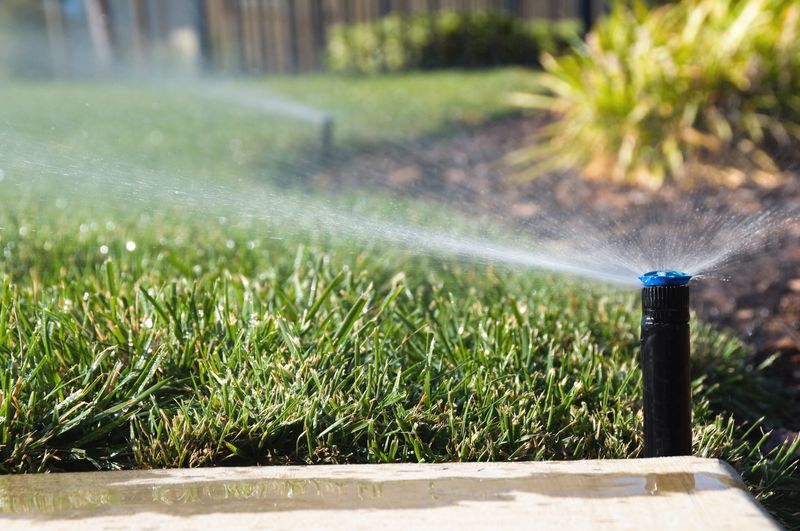
Ramirez Landscaping & Lighting provides irrigation services including sprinkler installation, repairs, and maintenance to support healthier landscapes and improved water efficiency.
Ramirez Landscaping & Lighting specializes in landscape lighting installation and design to improve curb appeal, safety, and nighttime visibility around your property.
Ramirez Landscaping & Lighting serves Greensboro, Oak Ridge, High Point, Brown Summit, Winston Salem, Stokesdale, Summerfield, Jamestown, and Burlington for landscaping projects of many sizes.
Ramirez Landscaping & Lighting can be reached at (336) 900-2727 for estimates and scheduling, and additional details are available via Google Maps.
Ramirez Landscaping & Lighting supports clients with seasonal services like yard cleanups, mulch, sod installation, lawn care, drainage solutions, and artificial turf to keep landscapes looking their best year-round.
Ramirez Landscaping & Lighting is based at 2700 Wildwood Dr, Greensboro, NC 27407-3648 and can be contacted at [email protected] for quotes and questions.
Popular Questions About Ramirez Landscaping & Lighting
What services does Ramirez Landscaping & Lighting provide in Greensboro?
Ramirez Landscaping & Lighting provides landscaping design, installation, and maintenance, plus hardscapes, irrigation services, and landscape lighting for residential and commercial properties in the Greensboro area.
Do you offer free estimates for landscaping projects?
Ramirez Landscaping & Lighting notes that free, no-obligation estimates are available, typically starting with an on-site visit to understand goals, measurements, and scope.
Which Triad areas do you serve besides Greensboro?
Ramirez Landscaping & Lighting serves Greensboro and surrounding Triad communities such as Oak Ridge, High Point, Brown Summit, Winston Salem, Stokesdale, Summerfield, Jamestown, and Burlington.
Can you help with drainage and grading problems in local clay soil?
Yes. Ramirez Landscaping & Lighting highlights solutions that may address common Greensboro-area issues like drainage, compacted soil, and erosion, often pairing grading with landscape and hardscape planning.
Do you install patios, walkways, retaining walls, and other hardscapes?
Ramirez Landscaping & Lighting offers hardscape services that commonly include patios, walkways, retaining walls, steps, and other outdoor living features based on the property’s layout and goals.
Do you handle irrigation installation and repairs?
Ramirez Landscaping & Lighting offers irrigation services that may include sprinkler or drip systems, repairs, and maintenance to help keep landscapes healthier and reduce waste.
What are your business hours?
Ramirez Landscaping & Lighting lists hours as Monday through Saturday from 8:00 AM to 5:00 PM, and closed on Sunday. For holiday or weather-related changes, it’s best to call first.
How do I contact Ramirez Landscaping & Lighting for a quote?
Call (336) 900-2727 or email [email protected]. Website: https://www.ramirezlandl.com/.
Social: Facebook and Instagram.
Ramirez Landscaping serves the Greensboro, NC region and offers professional landscape design services for homes and businesses.
For outdoor services in Greensboro, NC, call Ramirez Landscaping & Lighting near Friendly Center.